01
Community Center
Cafe, thrift shop, visitation rooms, classrooms, and outdoor space that welcome the public and build trust.
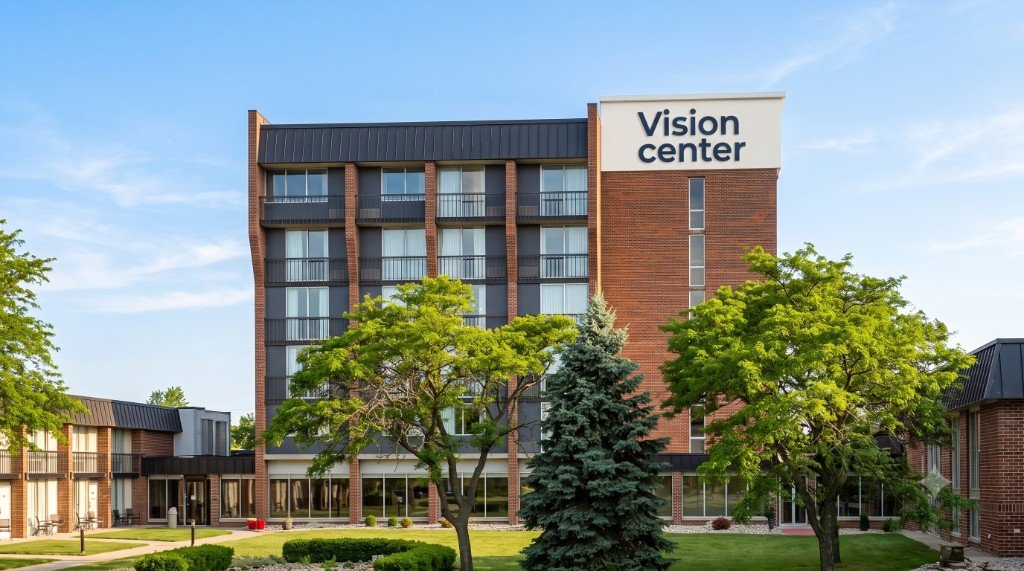
Unmasked CultureThe Vision Center
Help men and families rebuild through housing stability, meaningful work, education, mentorship, and Christ-centered hope.
The Need
Homelessness, housing instability, foster-care support, workforce readiness, and family restoration are connected challenges. The Vision Center is designed to meet them together.

Mission
Through transitional support, education, paid work, financial stewardship, and mentorship, participants move from crisis toward spiritual health, stability, and independent living.
This is not a traditional shelter. It is a community restoration campus—a public-facing center that serves Fort Wayne while creating supervised, paid work opportunities for people rebuilding their lives.
The Model
Community benefit, participant restoration, and mission-aligned revenue work together so the campus can serve people well and sustain itself over time.
01
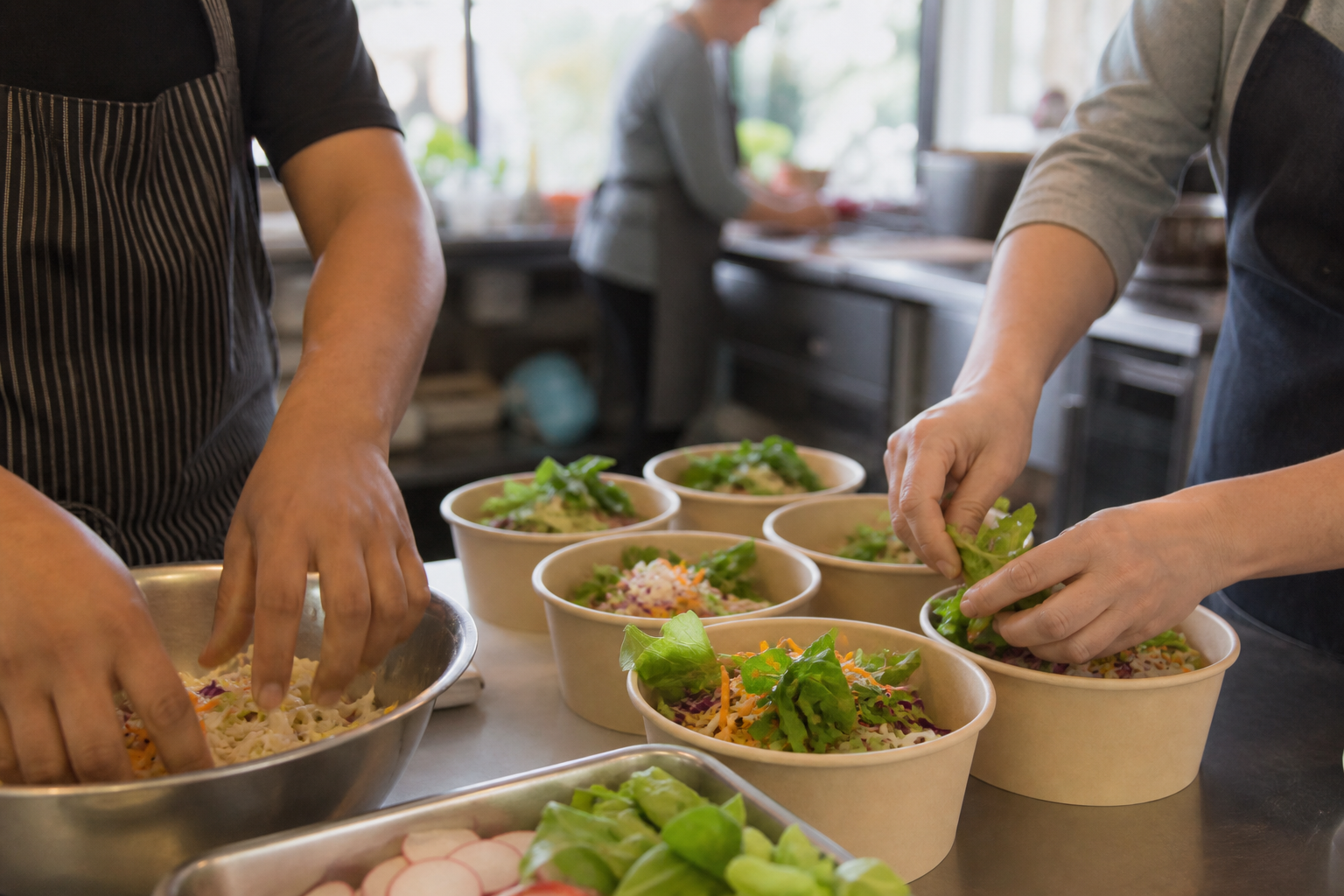
Cafe, thrift shop, visitation rooms, classrooms, and outdoor space that welcome the public and build trust.
02
Structured tracks for men and families: housing stability, education, budgeting, mentorship, and work readiness.
03
Cafe sales, thrift operations, office leases, visitation partnerships, and event rentals reduce long-term donor dependence.
Who We Serve
A first residential track for men facing homelessness or serious housing risk—focused on dignity, work, and accountability.
A future parallel track for mothers and families—designed with child safety, separate housing, and trauma-informed support.
Facility Vision
Opening community-facing spaces first builds credibility, jobs, and earned income—before the full residential buildout.
Hospitality, job training, gathering space, and a public brand for restoration.
Affordable goods, donation pipeline, retail skills, and reliable mission revenue.
Family-friendly supervised visits for foster care and reunification support.
Space for aligned counselors and nonprofits—recurring income and referrals.
GED, budgeting, job readiness, workshops, and discipleship groups.
Gardens, seating, family events, and wellness space for the neighborhood.
Phased Roadmap
Governance, feasibility, local discovery, preliminary budgets, and donor materials.
Brand credibility, church/business network, monthly donors, and pilot partnerships.
Site search, architectural concept, sponsorship packages, and major gift fundraising.
Open cafe, thrift, offices, and visitation spaces with staff, policies, and soft launch.
Launch the men’s restoration track, then family capacity and long-term campus growth.
Why Your Support Matters Now
Planning ranges put initial facility buildout around $2M–$4M, with a long-term campus vision that can grow as partnerships mature. Your gift funds credibility work today and capital readiness for tomorrow.
We are building a diversified funding mix—major donors, churches, corporate sponsors, foundations, monthly givers, and earned revenue—so the mission is not dependent on a single source.
Partnership Levels
Every tier fuels restoration—whether you sponsor a program track, equip workforce training, or give monthly.
Anchor the launch. Major recognition and founding partnership conversations.
Sponsor core programming and receive lasting recognition in impact reports.
Help underwrite a room or public-facing space that serves families daily.
Fund training, tools, certifications, and paid work pathways for participants.
Sustain the restoration fund and help build a reliable community campaign base.
Founding moment
Join Unmasked Culture as an early Vision Center partner. Your support turns a clear plan into a campus that restores dignity through work, family connection, and hope.
Preliminary planning document — July 2026. Facility costs and timelines will be refined through feasibility study, architecture, and local partnerships.